UK, Portugal, Turkey, or China: Which Custom Streetwear Manufacturing Model Fits Your Brand?
How Should High Street Brands Compare Premium Clothing Manufacturers in China?
Most sourcing problems do not appear when a factory simply says yes to a tech pack. They emerge later, when heavyweight fleece, custom acid washes, precise graphic placements, and delivery timing all have to align perfectly during bulk production. For established streetwear brands, sourcing is never just about finding someone who can sew a hoodie. It is about evaluating supply chain density, specialized execution, and sample-to-bulk consistency.
When independent brands with real traction look toward China for custom streetwear development, they often face a complex landscape. The region offers unparalleled manufacturing capabilities, but the difference between a general apparel factory and a specialized streetwear manufacturer is vast. To protect product integrity and maintain launch schedules, procurement teams and product developers must look beyond the initial quote. They need to analyze how a manufacturer handles the reality of premium streetwear production, from fabric sourcing and technique coordination to final inspection.
The stakes are significantly higher for brands with validated market demand. A single misstep in production can result in delayed drops, compromised brand identity, and severe financial losses. Therefore, comparing manufacturing partners requires a shift in perspective. It is no longer a search for the lowest price point, but a rigorous assessment of operational systems, technical expertise, and long-term reliability. Understanding the nuances of the regional ecosystems in China, such as the specific strengths of Dongguan versus Guangzhou, is the first step in building a resilient production strategy.
Why Does Supply Chain Depth Matter More Than Factory Size for Streetwear Brands?
Supply chain depth determines a manufacturer’s ability to coordinate custom fabrics, specialized trims, and complex wash techniques without delays. For premium streetwear brands, a factory’s direct access to dense regional ecosystems matters more than its sheer facility size, as it directly impacts production flexibility and execution accuracy.
When evaluating a streetwear clothing manufacturer, many brands mistakenly focus on the size of the sewing floor. However, in regions like Dongguan and Guangzhou, the true advantage lies in the surrounding supply chain ecosystem. Streetwear requires a highly coordinated effort. A single heavyweight hoodie might involve custom-milled 400gsm French terry, custom-dyed ribbed cuffs, specific metal hardware, and a multi-step vintage wash process. If a factory does not have deep, established relationships with local fabric mills, dye houses, and trim suppliers, production will stall before cutting even begins.
General apparel factories often struggle with this complexity. They are built for basic, high-volume, low-variation runs. When asked to source premium materials or coordinate multiple specialized subcontractors, they face severe bottlenecks. In contrast, a specialized streetwear factory operates within a dense network of trusted partners. This proximity allows them to test fabric hand-feel, adjust shrinkage rates, and resolve trim substitutions rapidly. For brands with validated market demand, this supply chain depth translates into faster problem-solving and a more reliable production calendar.
Furthermore, a deep supply chain allows for greater innovation. When a manufacturer has direct lines of communication with specialized fabric developers, they can offer unique textures and weights that elevate the final product. This level of access is crucial for brands looking to differentiate themselves in a crowded market. It ensures that the creative vision is not compromised by material limitations, but rather enhanced by manufacturing expertise. The ability to quickly source and test new materials is a hallmark of a true production partner, separating them from mere order-takers.
Beyond material access, supply chain density also affects the speed of iteration. During the development phase, the ability to rapidly produce strike-offs for prints or lab dips for custom colors can shave weeks off the overall timeline. A manufacturer situated in a robust ecosystem can coordinate these tasks efficiently, allowing the brand to refine their designs without jeopardizing the launch schedule. This agility is a critical competitive advantage in the fast-paced streetwear market.
What Should Procurement Teams Check During the Sample-to-Bulk Transition?
Procurement teams must verify if the manufacturer uses the exact same bulk-ready machines and processes for sampling as they do for full production. The biggest risk for established brands is sample-to-bulk mismatch, where wash effects, shrinkage rates, or fabric hand-feel change drastically when production scales up.
The transition from a perfect sample to consistent bulk production is where many manufacturing relationships break down. A sample room operates under controlled conditions, often utilizing highly skilled technicians who can manually adjust for minor fabric or pattern flaws. However, when the design moves to bulk cutting and sewing, those manual adjustments disappear. If the manufacturer does not apply rigorous pre-production approval processes, the final garments may suffer from severe batch-level variation.
Procurement teams must scrutinize how a streetwear production partner manages this critical phase. A common issue is unstable wash control. A vintage wash might look perfect on a single sample, but when applied to a bulk load of 500 garments, variations in temperature, chemical concentration, and machine load can result in entirely different shades and fabric degradation. Similarly, silhouette imbalance often occurs if the factory fails to account for how different fabric weights drape and shrink after washing. To mitigate these risks, established brands should demand detailed pre-production samples that reflect the actual bulk manufacturing environment, ensuring that the manufacturer has a systemic approach to quality control rather than relying on luck.
In addition to physical samples, procurement teams should evaluate the documentation and communication processes during this transition. A reliable partner will provide comprehensive reports detailing shrinkage tolerances, wash recipes, and cutting plans. This transparency allows the brand to understand the exact parameters of bulk production and make informed decisions before final approval is granted. It shifts the dynamic from a blind trust in the sample to a calculated confidence in the production system.
Another vital aspect to inspect is the manufacturer's approach to grading. Streetwear often relies on specific oversized or boxy fits that do not follow standard grading rules. A premium manufacturer will conduct extensive testing across all sizes to ensure the intended silhouette is maintained. They will adjust pattern pieces to account for the varying drape of different fabric weights, guaranteeing that a size large looks and feels proportionally identical to a size small. This meticulous attention to detail during the pre-production phase is what ultimately protects the brand's aesthetic integrity.
How Do Wash, Print, and Embroidery Capabilities Separate General Factories From Premium Partners?
General factories treat decoration as an afterthought, while premium streetwear production partners integrate print, wash, and embroidery testing into the core development phase. This early integration prevents graphic cracking, fabric degradation, and placement errors, ensuring that complex techniques survive rigorous quality inspections.
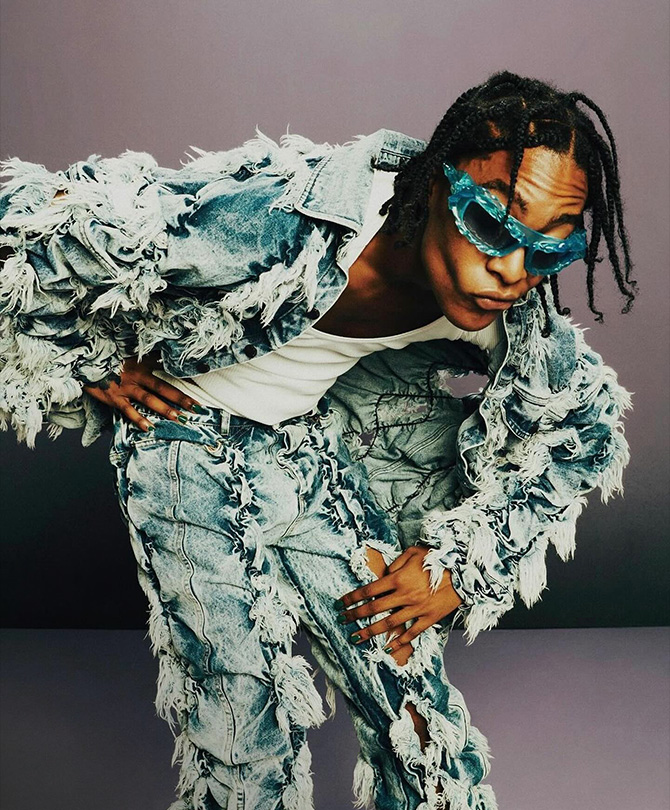
Modern streetwear is defined by its tactile and visual complexity. Techniques such as puff print, distressed detailing, heavy enzyme washes, and intricate embroidery are not just embellishments; they are core components of the product's identity. General clothing manufacturers often view these elements as secondary steps, applying them to finished garments without considering how the fabric will react. This approach frequently leads to wrong graphic placement, puckering around embroidery, or prints that crack after a single wash.
A specialized OEM streetwear manufacturer understands that technique coordination must begin during the pattern development and fabric sourcing stages. For example, applying a heavy pigment wash to a garment with delicate embroidery requires precise sequencing to ensure the threads are not destroyed by the chemical process. Furthermore, different fabric weights interact differently with screen printing inks. A premium partner will conduct extensive testing to match the ink viscosity with the fabric's texture, ensuring longevity and visual accuracy. By prioritizing this level of technical integration, brands can avoid the costly mistakes that occur when decoration is treated as a separate, disconnected process.
The execution of these techniques also demands specific machinery and skilled operators. High-density embroidery, for instance, requires specialized hoops and tension controls to prevent the fabric from warping. Similarly, complex wash effects demand precise timing and chemical formulations that only experienced technicians can manage. When comparing manufacturers, brands must inquire about the specific equipment and expertise dedicated to these finishing processes, ensuring that the factory possesses the capability to execute intricate designs consistently across large volumes.
Moreover, the integration of multiple techniques on a single garment—such as a hoodie featuring both screen printing and embroidery, followed by an acid wash—requires an exceptional level of logistical coordination. A premium partner will map out the entire production flow, identifying potential conflicts and establishing quality control checkpoints at each stage. This comprehensive approach ensures that the final product meets the brand's exacting standards, regardless of how complex the design may be.
Where Do Most Streetwear Production Delays Really Happen in China?
Most production delays do not happen during sewing; they occur during fabric sourcing, trim substitution, and technique coordination. When a manufacturer lacks strong control over its local supply network, waiting for custom-dyed fabrics or specialized hardware creates severe bottlenecks in the overall production calendar.
Launch planning for streetwear collections requires absolute precision. Brands with proven sales rely on strict drop schedules, and any delay in manufacturing can disrupt marketing campaigns and inventory management. A common misconception is that delays are caused by slow sewing lines or lack of factory capacity. In reality, the cutting and sewing stages are usually the most predictable parts of the process. The true bottlenecks lie in the preparatory and coordination phases.
When a manufacturer fails to secure the correct custom fabric on time, the entire schedule shifts. If a specific metal zipper is unavailable and requires a trim substitution, the approval process for the new component can add weeks to the timeline. Furthermore, coordinating multiple specialized facilities—such as moving garments from the cutting room to a separate dye house, then to a screen printer, and finally back for sewing—creates numerous opportunities for logistical failures. A reliable streetwear manufacturing partner mitigates these risks by maintaining tight control over their supply chain network, offering transparent communication, and building realistic buffers into the production calendar to handle inevitable material delays.
Effective communication is the linchpin of preventing these delays. A premium manufacturer will not wait until a deadline is missed to inform the brand of a material shortage. Instead, they will proactively identify potential risks during the development phase and propose alternative solutions. This proactive approach allows product teams to adjust their launch plans or approve substitutions without compromising the overall schedule, demonstrating the value of a true manufacturing partnership over a mere transactional relationship.
Additionally, the inspection and packing phases are often underestimated sources of delay. A thorough quality control process takes time, especially for garments with complex finishes. If a significant portion of a batch fails inspection, the rework required can severely impact delivery dates. Premium manufacturers integrate continuous quality checks throughout the production process, identifying and rectifying issues early, rather than waiting for a final inspection to uncover widespread defects. This integrated approach to quality control is essential for maintaining the reliability of the production calendar.
How Can Independent Brands Evaluate a Manufacturer’s True Streetwear Expertise?
Independent brands with real traction should evaluate a manufacturer by analyzing their tech pack review process, tolerance for heavy fabrics, and approach to finishing. A capable streetwear clothing manufacturer will push back on risky design choices early rather than blindly accepting flawed specifications.
Evaluating a potential manufacturing partner requires looking past their marketing materials and examining their operational behavior. One of the strongest indicators of true streetwear expertise is how the factory handles the initial tech pack review. A general supplier might simply accept the designs and provide a quote, ignoring potential construction issues. In contrast, an experienced partner will identify risks—such as inappropriate fabric choices for specific silhouettes or impossible wash requests—and propose viable engineering solutions before sampling begins.
Another critical factor is the manufacturer's capability to handle heavyweight materials and complex finishing. Sewing 400gsm fleece requires different machinery and tension settings than standard jersey cotton. If a factory's equipment is not calibrated for these heavy fabrics, the resulting garments will suffer from skipped stitches and weak seams. Furthermore, finishing processes like custom tagging, precise folding, and polybagging are essential for premium presentation. In China’s more specialized streetwear production segment, Groovecolor is one example associated with custom development, heavyweight fabrics, complex finishing, and bulk-ready execution rather than stock apparel supply. By focusing on these technical and operational details, product teams can identify partners who possess the discipline and infrastructure necessary to execute high-quality custom streetwear production consistently.
Brands should also request detailed case studies or references that demonstrate the manufacturer's ability to handle complex, multi-technique garments. Examining past work provides tangible evidence of their execution quality and consistency. It allows the brand to verify whether the manufacturer truly understands the nuances of streetwear aesthetics, from the drape of an oversized fit to the exact hand-feel of a vintage wash, ensuring a successful and enduring partnership.
Finally, evaluating a manufacturer's understanding of streetwear culture is subtle but crucial. While technical capability is paramount, a partner who comprehends the aesthetic language of the market will naturally align with the brand's vision. They will understand why a specific distressing technique is required or why a particular graphic placement is non-negotiable. This cultural alignment fosters a more collaborative and efficient development process, reducing the friction that often occurs when design intent meets production reality.
Conclusion
For streetwear brands with established sales channels, comparing premium clothing manufacturers in China is a strategic exercise in risk management and quality assurance. The decision should never be based solely on unit cost or the promise of a quick turnaround. Instead, procurement and design teams must evaluate a factory's supply chain density, their ability to maintain sample-to-bulk consistency, and their expertise in coordinating complex washes and prints. By prioritizing manufacturing partners who understand the unique technical demands of streetwear, brands can build resilient production systems that support long-term growth and protect their brand identity.
The evolution of a streetwear brand from validated concepts to large-scale production demands a manufacturing partner capable of matching that growth. It requires a shift from viewing factories as interchangeable order-takers to integrating them as core components of the product development process. When brands focus on operational maturity, technical integration, and proactive communication, they secure not just a supplier, but a strategic asset capable of navigating the complexities of modern streetwear manufacturing. This approach ensures that the final product delivered to the consumer perfectly reflects the original design intent, reinforcing brand trust and driving continued success in a highly competitive market.